


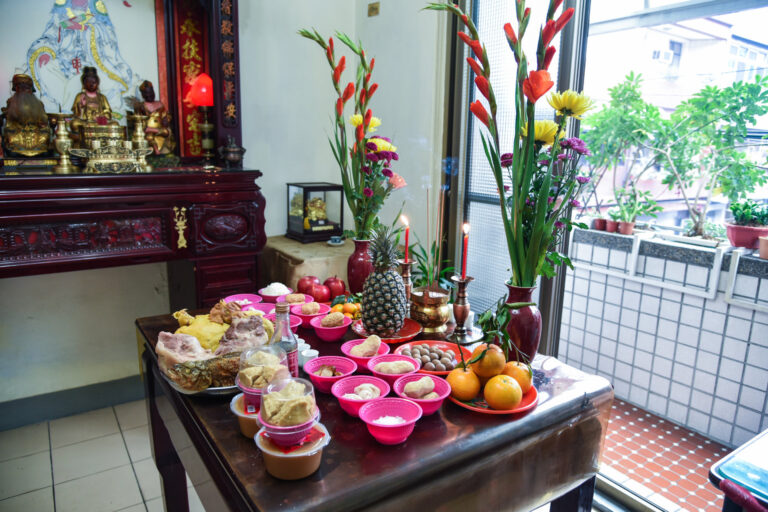
In the hearts of the older generation, the Chinese praying rituals, often referred to as ‘worship’, hold profound significance.
Since ancient times, China, known as the state of ceremony, prioritizes showing respect to heaven and ancestors during festivals through these rituals.
These Chinese praying rituals stand as one of the most vital activities, fostering a deep connection with tradition and spirituality.
Nowadays, urbanization and modernization have shifted the focus of these festivals towards enjoyment, shopping, eating, and drinking.
However, the traditional practice of worshipping gods and venerating ancestors through these Chinese praying rituals still thrives in rural areas, especially among the elderly.
Variations in Worship Practices
Customs vary widely, influencing the gods worshipped, the rituals performed, and the rules followed.
Today, let’s delve into an intriguing family worship rule prevalent in the southwestern region: “Worship gods swiftly, venerate ancestors leisurely.”
“Worship Gods Swiftly, Venerate Ancestors Leisurely”
This adage is an important principle of worship that is intuitive in its literal interpretation. But the specifics of its application and the rhythm it sets require further exploration.
Home Shrine and Worship Rituals
In rural areas, the commonly seen “Heaven, Earth, Monarch, Parent, Teacher” plaque provides an excellent example. The plaque is central to the shrine, with the Earth God and Kitchen God on the right and the ancestral positions on the left.
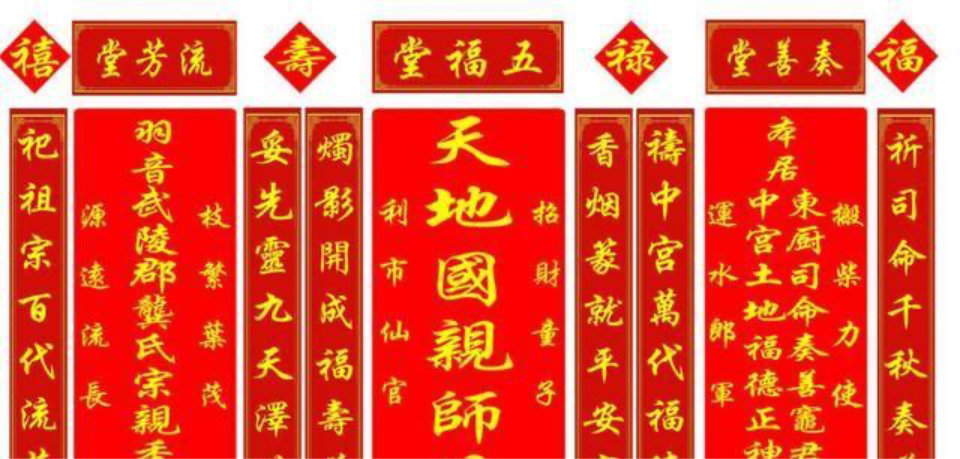
During worship, incense is lit for each position. Non-staple food items such as fruits and cakes are offered. The formal ceremony commences by worshipping the two gods on the right before moving on to the ancestors on the left.
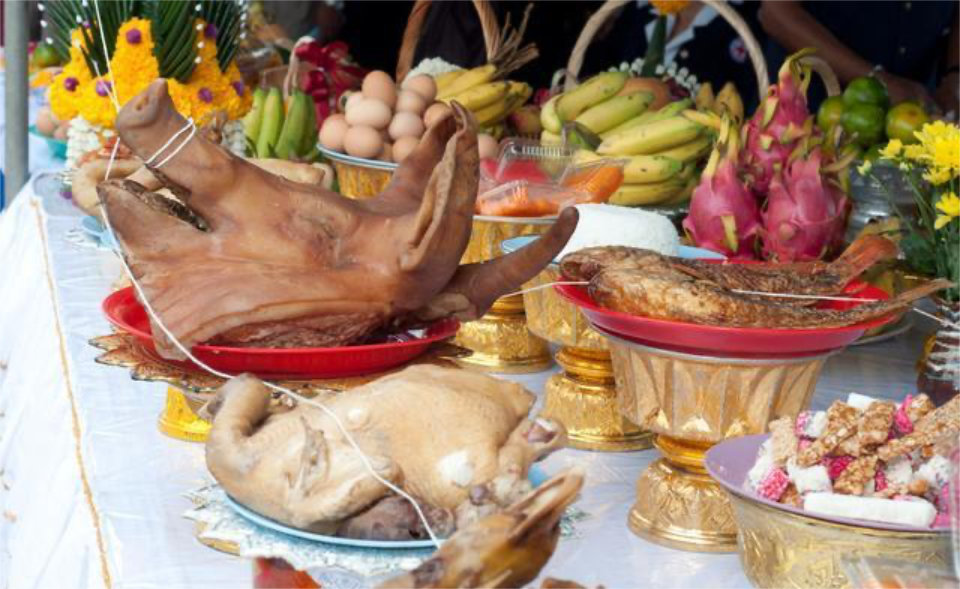
When worshipping gods, the sacrificial staple food, usually whole, is offered. This whole piece offering, as seen in the pig’s head and chicken used, is time-saving and convenient, requiring fewer containers to hold.
The Process of Worshiping Gods
Worshipping gods extends beyond the indoor shrine. It includes paying homage to the Door God and making offerings to the Dragon King near the well. Missing any of these acts would render the ceremony incomplete!
The procedure begins with the person carrying a tray with the sacrificial offerings to the door and well (or other water sources). Here, they briefly hold the tray and pause for 10 to 30 seconds.
After completing the outdoor ritual, the person moves inside to place the tray before the “Heaven, Earth, Monarch, Parent, Teacher” plaque.
They immediately burn joss paper offered to the Heavens and Earth, along with their personal requests written on paper.
Venerating Ancestors Leisurely
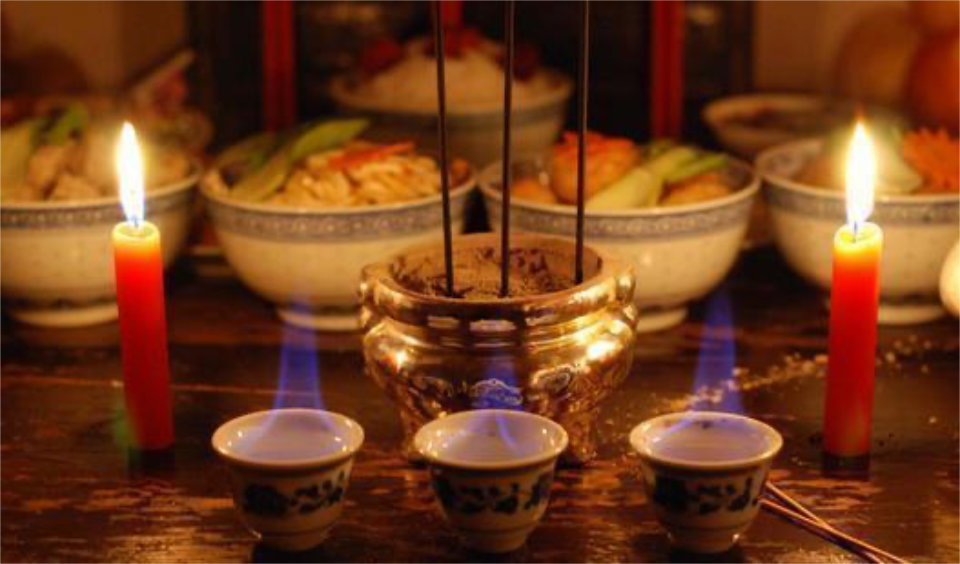
Venerating ancestors, in contrast, is a more leisurely and detailed process. The sacrificial offerings for the ancestors are cooked, cut into pieces, and placed on plates.
During the ritual, the entire family kneels while the head of the family pays respects, recounting all significant family events of the past year to their ancestors.
This act not only conveys respect and longing for the deceased but also maintains familial bonds and continuity.
Therefore, the ritual is performed in a slow, solemn, and heartfelt manner—thus embodying the principle of “venerate ancestors leisurely.”
Cultural Harmony of Respect, Family, and Community
The principle of “Worship gods swiftly, venerate ancestors leisurely” allows people to express their gratitude and respect towards the gods for their blessings and protection, and towards their ancestors for their guidance and inheritance.
This tradition is deeply rooted in cultural and spiritual significance, affirming the continuity of familial and community bonds.
In the rapidly changing world of today, the preservation of such traditions helps retain a sense of identity and cultural heritage.
Despite modernization, this practice maintains its resonance, bridging the gap between past and present, and ensuring that the values, wisdom, and spirit of the ancestors continue to guide future generations.
By following this principle, Chinese communities perpetuate the harmony between respect for spiritual deities and the veneration of ancestors, nurturing a culture that is deeply grounded in its past, yet adaptable to the present and future.
What are Chinese praying rituals to gods?
When are Chinese praying rituals commonly performed?
What is typically offered during Chinese praying rituals to gods?
Why is incense used in Chinese praying rituals to gods?
How has modernization influenced Chinese praying rituals to gods?
Are Chinese praying rituals to gods practiced outside of China?