


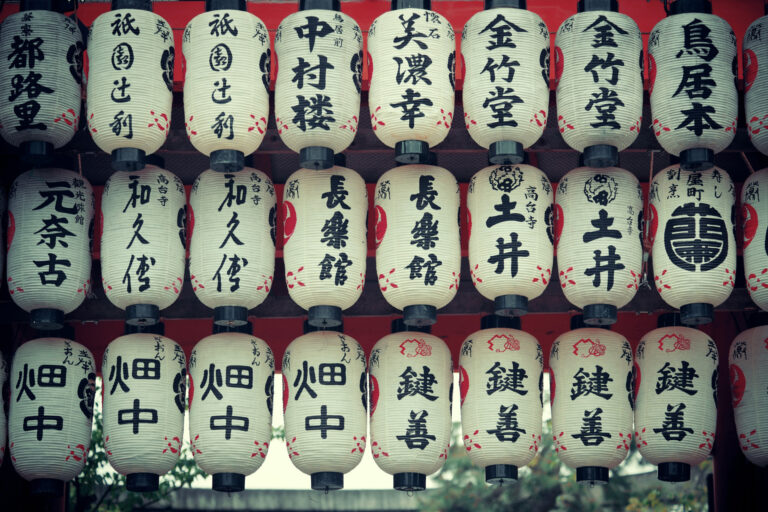
Japan’s art of fortune telling, or ‘uranai’ (占い), is an intricate intertwining of spiritual beliefs and fascinating cultural traditions. The key to understanding and harnessing this practice often lies in the various tokens associated with it.
Much like Chinese Feng Shui, which is another revered Eastern practice that harmonizes individuals with their surrounding environment, Japanese fortune telling also seeks to enhance personal luck, prosperity, and overall well-being.
As we explore the depth of ‘uranai’, one can’t help but notice intriguing parallels and distinctions between these two enriching traditions.
In Japanese cities, you’ll find fortune tellers, or uranaishi (占い師), offering services ranging from palm reading (手相, tesou) to omikuji fortunes. For a fee usually between 1,000 and 2,000 yen, you can have your fortune read, or ‘unsei’ (運勢), revealed, which can be good (良い運勢, ii unsei) or bad (悪い運勢, warui unsei).
Japanese Fortune Telling Vocabulary
Before diving into the tokens, let’s familiarize ourselves with some common terms in Japanese fortune-telling. You’ll often see these terms in omikuji, or sacred lots:
- 大吉 (Dai-kichi): Great fortune
- 吉 (Kichi): Good luck; good fortune
- 中吉 (Chū-kichi): Middle fortune
- 小吉 (Shō-kichi): Small luck; small fortune
- 半吉 (Han-kichi): Half-fortune
- 末吉 (Sue-kichi): Future fortune
- 末小吉 (Sue-shō-kichi): Small future fortune
On the flip side, there are terms for bad luck:
- 凶 (Kyō): Bad luck
- 小凶 (Shō-kyō): Slight bad luck
- 半凶 (Han-kyō): Half-bad luck
- 末凶 (Sue-kyō): Future bad luck
- 大凶 (Dai-kyō): Great bad luck
Now, to aid your journey towards understanding these practices, here are five popular Japanese fortune-telling charms and keepsakes you might come across:
1. Omikuji (御御籤)
Originating from the Heian period (794–1185), omikuji, or sacred lots, are fortunes written on strips of paper available at shrines and temples throughout Japan. Traditionally, you’d draw a stick from a bamboo container, and a priest would give you an omikuji matching the number on the stick. Today, it’s more common to make a small donation and draw your own omikuji from vending machines or other methods.
The fortunes can range from wonderfully good luck (大吉, great fortune) to terribly bad luck (大凶, great bad luck). However, if you’re unfortunate enough to get a bad luck omikuji, you can tie it to a tree branch within the shrine or temple grounds, leaving the bad luck behind. Good fortunes, on the other hand, should be kept close to you, like in a coat pocket or purse.
Did You Know?
Many believe the best time to draw an omikuji is during New Year’s celebrations, a tradition known as hatsumōde.
2. Maneki Neko (招き猫)
Dating back to the Edo period (1603-1868), Maneki Neko, or Beckoning Cat, is believed to bring business success. Depending on which paw is raised—left invites people and guests, while the right welcomes money and fortune. The color of the cat also carries specific symbolism:
- Calico: Invites good fortune and luck
- White: Invites good fortune
- Black: Protects from illness and disease, wards off evil
- Gold: Invites fortune and wealth
- Red: Promotes good health and protects from disease, wards off demons
- Pink: Conjures love
- Silver: Promotes prosperity and longevity
- Blue: Improves academics
- Green: Ensures safety
- Yellow: Invites happy marriage
The Maneki Neko may also carry various items, like a gold coin (koban), a fish symbolizing good fortune, or a wealth-attracting mallet.
3. Daruma Doll (達磨)
The Daruma Doll, originating in the late Edo period, symbolizes good luck and goal attainment. People paint the left eye first and make a wish, and then paint the right eye after the wish comes true. The color of the doll symbolizes different wishes:
- Red: Good luck and fortune
- Purple: Health and longevity
- Yellow: Security and protection
- Gold: Wealth and prosperity
- White: Love and harmony
- Black: Health, wards off evil
- Blue: Academic improvement
The dolls are round, made of papier-mache, and weighted at the bottom, symbolizing resilience and perseverance. Daruma doll festivals are held each January, especially in places like Takasaki City in Gunma Prefecture, known for making most of these dolls.
Did You Know?
Daruma Dolls are modeled after Bodhidharma, a Buddhist monk who, legend says, lost his limbs during nine years of meditative practice.
4. Ema (絵馬)
The tradition of ema dates back to the Nara period (710–794) when people would donate horses to shrines for good luck. Ema are wooden plaques where you can write your wishes. Traditionally, the front features a picture of a horse, representing the transport for the gods, and you write your wish on the back. Today, you can find ema in various shapes, sizes, and designs. After writing your wish, you hang the ema at the shrine, believing your wish will be delivered to the gods.
Fun Fact: The term ‘Ema’ translates to ‘picture-horse’, stemming from ancient practices of offering horses to shrines, depicted through paintings.
5. Golden Poo (金のうんこ)
Although not a traditional good luck charm, the Golden Poo has become a popular token since its debut around 2000. The word for “lucky” in Japanese (うん:運) looks similar to the word for “poo” (うんこ), creating a lucky poo pun. The original ornaments are porcelain and coated in gold, available in various sizes and forms, from keychains to cell phone charms.
At the end of the day, whether it’s leaving a note on an ema, drawing an omikuji, or inviting good luck with a beckoning cat, the practice of fortune telling in Japan is much more than predicting the future. It’s about seeking guidance, inviting good luck, and warding off misfortune.
What is Japanese fortune telling?
What are the popular tokens of Japanese fortune telling?
How does Omikuji fortune telling work?
What does the Beckoning Cat symbolize in Japan?
What is the significance of the Daruma Doll?
What is Ema and how is it used for wishing good fortune?
Is Japanese Fortune Reading Accurate?
Will Japanese Fortune Reading Work for Foreigners?
Have you ever tried any of these Japanese fortune telling practices or used any of these symbolic tokens? Share your experiences below in the comments section!