巡禮
Walking the whole temple
There is an order, and it is not a matter of taste. 25 halls, in the sequence a temple is actually entered — beginning outside the door, facing the wrong way on purpose.
Nothing on this page costs anything. The walk is the temple.
行儀 · in order
Nine moves, from the door to the door
-
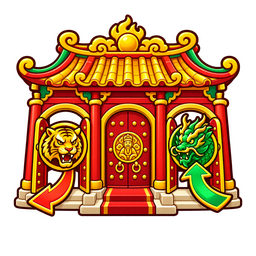
入龍門 In by the dragon why
Enter by the right-hand door as you face the temple.
-
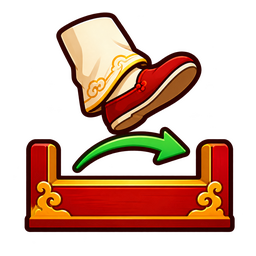
過門檻 Over the sill why
Step over the raised sill. Not on it, and do not sit on it.
-
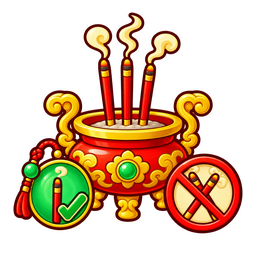
取香 Take the sticks why
Three, or one. Never two, and never any even number.
-
點香 Light them why
When they catch alight, fan the flame out with your hand. Do not blow.
-
天公爐 Heaven first why
The heaven censer in the courtyard, before any hall — however famous the god inside.
-
主神 Then the main hall why
The temple’s own deity, in the central hall.
-
陪祀 Then the side halls why
Dragon side to tiger side — left to right as you face out.
-
插香 Plant them why
With the left hand. Centre stick first, then left, then right. Upright, not leaning.
-
出虎口 Out by the tiger why
Leave by the other door. You do not go back out the way you came in.
You do not leave by the door you came in. That is the shape of the whole visit, and it is why the first step and the last one are the same rule read twice — the temple opens on it.
入廟禮儀
Before the first hall — how it is done, and what not to do
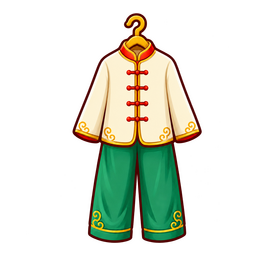
- 衣著 · What to wear
- Dress plainly and cover up. Vests, shorts, very short skirts and beach sandals are the usual list of what to avoid — the standard is 端莊, decent and composed, and it applies to men and women alike.
- A temple is somebody's house and the god is the host. The rule is not about modesty as a virtue; it is about not arriving somewhere formal dressed for the beach. Nobody will stop you at the door, and the people around you will notice.
- 門檻 · Step over the sill, never on it
- The raised wooden sill in the doorway is stepped OVER. Do not tread on it, and do not sit on it.
- The 門檻 draws the boundary: inside it is the god's own ground, and the house rules begin there. Treading on the line that marks it, or sitting astride it, is the one mistake a visitor makes without noticing — and the one the people around them see immediately.
- 龍門進,虎門出 · Enter by the dragon, leave by the tiger
- Enter through the right-hand door as you face the temple and leave through the left. The middle door is not yours.
- 中門 is 神門, the god's own door, used by the deity and by the officials carrying the palanquin. Walking it risks stepping into the path of a god on his way out. The dragon side takes fortune in and the tiger side carries misfortune out — 入吉出凶.
- 香數 · Three sticks, or one — never two
- Three is the ordinary number for an ordinary worshipper, and one is also correct. NEVER an even number: not two, not four, not six.
- Three stands for the 三界 — heaven, earth and man — or for the 三寶 of Buddhism. Even numbers belong to funeral rites, which is why offering two at a god's altar reads the way black at a wedding would.
- 順序 · The censer order
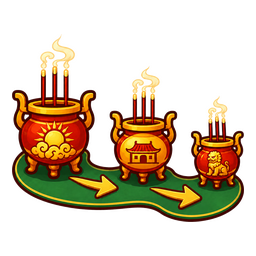
- 天公爐 first — the heaven censer, usually the one in the open courtyard. Then the main deity in the central hall. Then the attendant halls, from the dragon side to the tiger side.
- 敬天 comes before everything: 玉皇大帝 is the highest, so heaven is addressed before the temple's own god, however famous that god is. Getting this backwards is the commonest mistake a visitor makes who has otherwise done everything right.
- 插香 · Planting the sticks
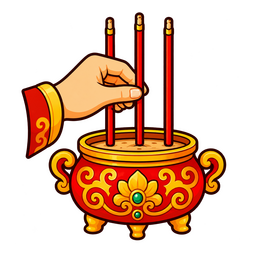
- Plant with the LEFT hand. Of three sticks, the centre one goes in first, then the left, then the right. Put them in upright and evenly, not crossed and not leaning.
- The right hand is the one that handles ordinary and unclean business, so the left is the one that touches the offering. Centre first because the middle stick is the one addressed to the god; the other two attend it.
- 滅火 · Fan the flame out — do not blow
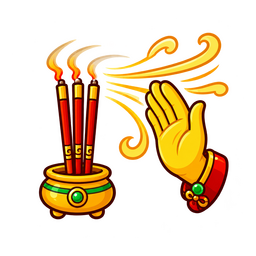
- When the incense catches alight, put the flame out by fanning it with your hand. Never blow it out with your mouth.
- Breath from the mouth is treated as unclean toward an offering. This is the smallest rule on the page and the one most visitors break in the first thirty seconds.
- 拍照 · Ask before photographing
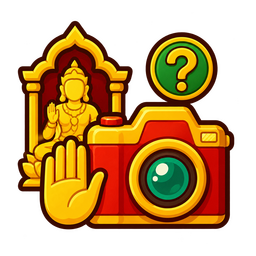
- Many temples do not permit photography of the images, and flash is worse than the photograph. Some, including the Hong Kong Chinese Temples Committee and Tung Wah temples, generally allow it under their own rules.
- Two reasons that point the same way: photographing a god's image can be taken as disrespect, and flash does real, permanent damage to old pigment and gilding. Look for the sign, and if there is none, ask.
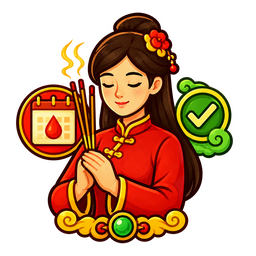
- 生理期 · Menstruation — the taboo, and what the tradition actually says
- You may go. Go in, take incense, and worship as normal.
- 聖嚴法師, founder of 法鼓山, called the idea that a menstruating woman may not offer incense 低級鬼神的禁忌 — the taboo of low-ranking spirits, not of proper gods. 鎮轅境頂土地公廟 says on its own official site that everybody urinates and defecates daily, and asks whether that is cleaner. The rule is not observed at mainstream temples — 土地公, 城隍, 媽祖, 觀世音 or an orthodox Buddhist monastery. Some high-tension 科儀 — 安太歲, 送煞, 牽亡, 祭改, 補運 — are still traditionally advised against, and that is a much narrower claim than the one people repeat.
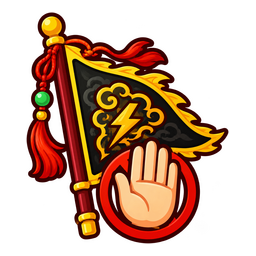
- 黑令旗 · The black command banner is not yours to carry
- Do not touch it, and do not take a 黑令旗 home. It is not a souvenir and it is not a pilgrim's flag.
- A 黑令旗 is the god's own instrument of command — the black north camp of the 五營, the yin soldiers. It is planted outside a temple to muster troops and declare the god stationed there, and it sweeps the road ahead of a palanquin on 出巡 to drive off what should not be in the way. Those who handle one purify themselves in sandalwood smoke first, and anyone who has been to a funeral or a delivery room may not touch it at all. The flag a pilgrim DOES carry is a 進香旗, which is a different object for a different journey — and that journey is 進香 between temples, not a walk through the halls of one.
寺廟門檻規矩多 坐不得也踩不得 入廟拜神須知 — HolidaySmart 香數規矩 1/3/5/7/9 — 緣引拜拜通 女生月事期間是否可以進廟拜拜 — 鎮轅境頂土地公廟 習俗百科/女性生理期不行拜拜?觀念應與時俱進 黑令旗 — 國立臺灣歷史博物館 進香旗 — 內政部全國宗教資訊網
由大到小,由主到從
Greatest to least, principal to attendant
- 天公爐 first. The Jade Emperor's censer stands outside the centre door. You face out, toward the sky — not toward the building. Nothing inside is greeted before him.
- 左進右出. In by the dragon door on the left, out by the tiger door on the right. Never the centre door: it is the god's.
- Left before right, every time. And nearer the main altar before further from it.
- Main hall, then side halls, then rear. Highest to lowest, principal to attendant.
-
天公爐
The Heaven CenserOutside the centre door, before you go in.
You face OUT, toward the sky, not toward the temple. Nothing inside is greeted before 天公.
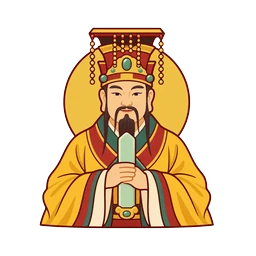
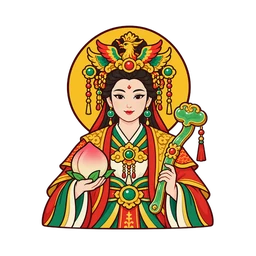
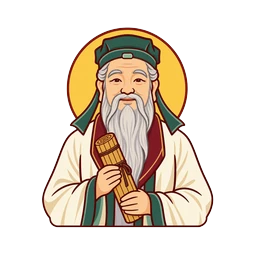
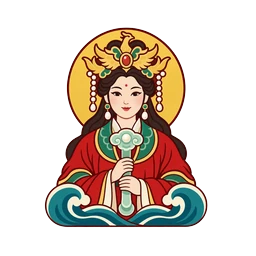
玉皇大帝 Jade Emperor 天公 is not one god among the others. His censer stands outside and everything begins here. 瑤池金母 Yao Chi Jin Mu She is greeted where 玉皇 is greeted, before the building is entered. 西王母 is older than the bureaucracy the other halls belong to — 《山海經》 has her with a leopard's tail and a tiger's teeth, presiding over pestilence, long before anyone gave heaven a civil service. -
山門
The GateEntering by the dragon door on the left.
He faces out because he is the greeting, not the destination.
-
正殿 · 主龕
The Main HallThe centre niche.
The deity the temple is built for. Everything after this is read as attendant to him.
-
正殿 · 左龕
The Left NicheBeside the main altar, dragon side.
Left before right, and nearer the centre before further out.
-
正殿 · 右龕
The Right NicheBeside the main altar, tiger side.
-
偏殿 · 左
The Left HallsOff the main hall, dragon side.
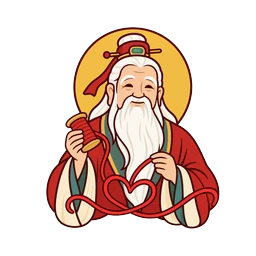
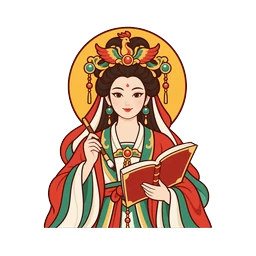
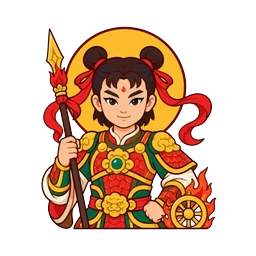
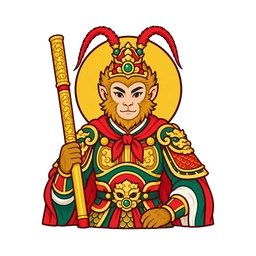
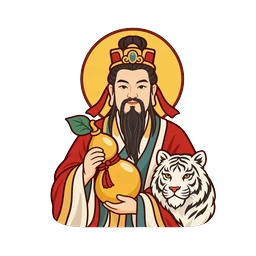
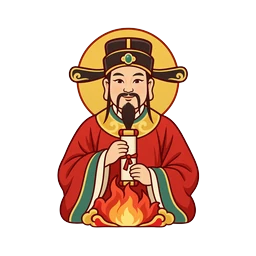
月下老人 Yue Lao Love, marriage & the red thread of fate 註生娘娘 Zhu Sheng Fertility, children & safe childbirth 求子 中壇元帥 Ne Zha Force, protection of the young, and trouble that needs a soldier 齊天大聖 Qi Tian Da Sheng Beside 哪吒, and for the same reason: these are the two halls you go to when something has to be moved rather than granted. Neither of them belongs at the main altar, and both of them know it. -
偏殿 · 右
The Right HallsOff the main hall, tiger side.
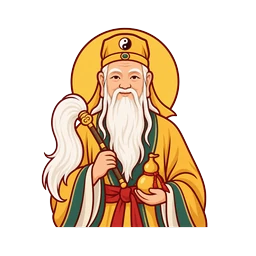
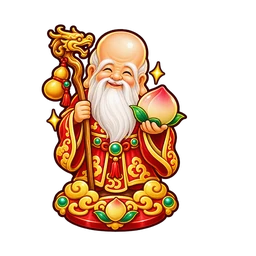
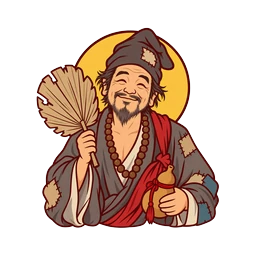
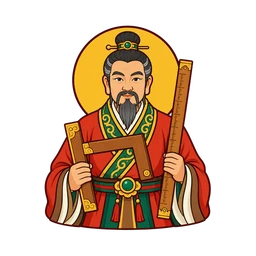
保生大帝 Bao Sheng Health, healing & protection from illness 司命灶君 Zao Jun Family harmony & a good yearly report 南極仙翁 Shou Xing Gong You come to 保生大帝 for the illness and to him for the years. The petition here is conventionally made for somebody else. 濟公活佛 Ji Gong Compassion · helping the troubled & the poor 魯班先師 Lu Ban With the working gods rather than the ruling ones. A guild hall for 魯班 is a room with tools in it, and putting him among the physicians and the household deities is closer to the truth than putting him in a niche. -
後殿
The Rear HallBehind the main hall.
The Buddhist figures. Not a lesser place — a different axis.
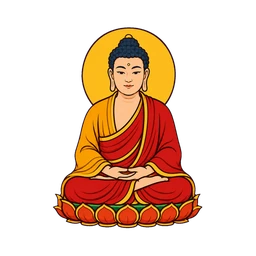
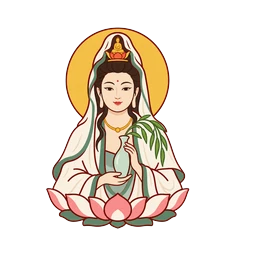
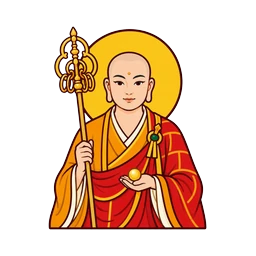
釋迦牟尼佛 Sakyamuni The teaching itself — not a petition, and the only hall here without one 觀世音菩薩 Guan Yin Mercy, guidance & answered prayers 地藏王菩薩 Di Zang Wang He vowed not to become a Buddha while any hell remains. You come to him for the dead, and for what they are owed. 清水祖師 Qing Shui Zu Shi Drought, epidemic, and the safety of a place you are from -
太歲殿
The Tai Sui Hall when it appliesIts own room, off the sequence.
You come here in a year that concerns you, and not otherwise.
-
外壇
The Outdoor Shrine when it appliesIn the open, outside the halls.
Walked around rather than approached, and never brought indoors.
關於此順序 · about this order
The sequence — 天公爐 first and facing outward, 左進右出, left before right, nearer before further, principal before attendant — is the standard etiquette recorded across Taiwanese and Fujianese practice, and it is the same in Singapore.
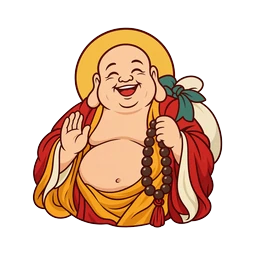
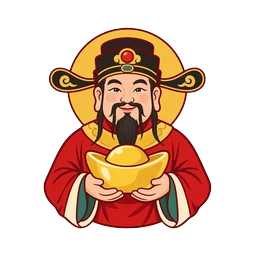
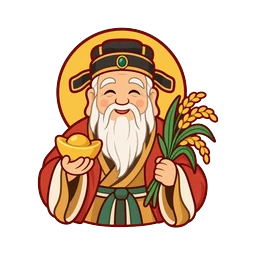
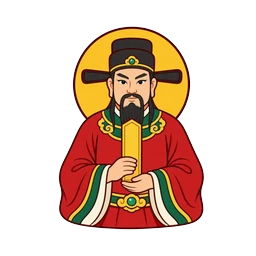
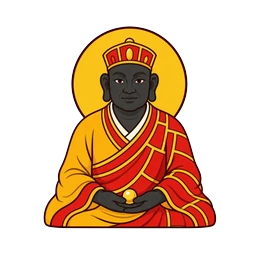
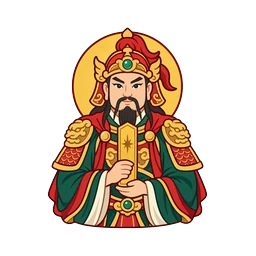
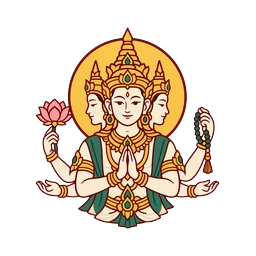
Which hall stands where is ours, not the tradition's. This temple has no floor plan to consult, so the halls are arranged by the ordinary conventions — 財神 in the main hall because the temple is his, 彌勒佛 at the gate because that is where he always sits, the Buddhist figures in the rear hall, 四面佛 outdoors because a 四面佛 is never brought inside. A practitioner has not yet signed off on the arrangement, and until one has, this page tells you so.